anjali cfcsindia

Benefits of Solar Powered Traffic Signals in Smart Cities

Benefits of Solar Powered Traffic Signals in Smart Cities

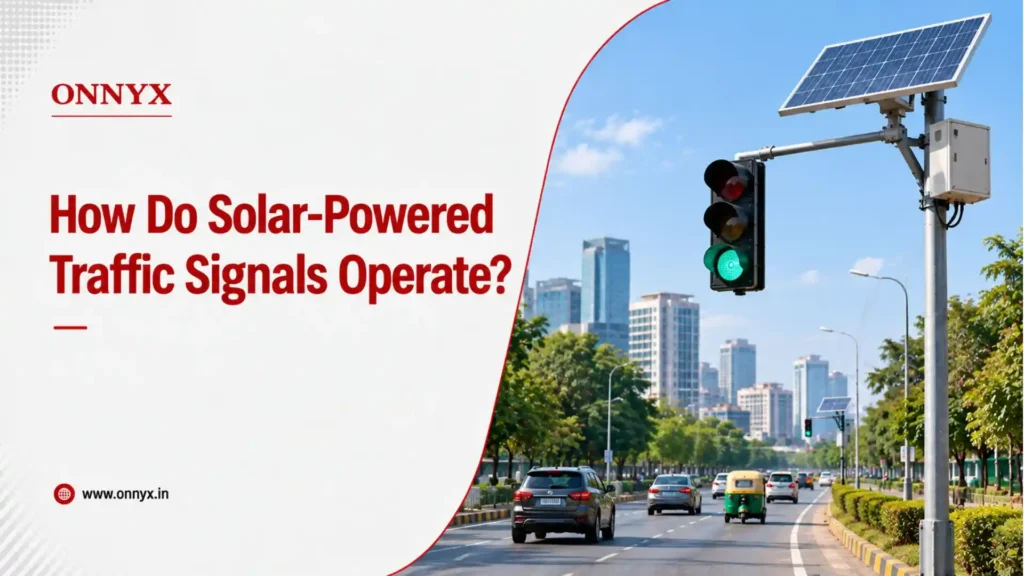
Benefits of Solar Powered Traffic Signals in Smart Cities Modern cities require intelligent infrastructure to manage growing urban populations and complex traffic flows. Traditional traffic signal systems, heavily reliant on grid electricity, present ongoing challenges in energy costs and operational continuity. Solar-powered traffic signals offer a sustainable and efficient alternative, aligning with the core objectives of smart cities: efficiency, resilience, and environmental stewardship. Solar-powered traffic signals integrate photovoltaic technology to generate electricity, storing it in batteries for continuous operation, thereby reducing dependence on conventional power grids. This approach is not merely an energy-saving measure; it represents a strategic shift towards self-sufficient and adaptable urban mobility solutions. The 3-Zone Deployment Framework for Solar Traffic Signals To maximize the impact of solar traffic signal deployment, Onnyx advocates for a strategic 3-Zone Deployment Framework. This framework categorizes smart city areas based on their specific grid challenges and infrastructure needs, guiding municipal authorities to prioritize solar signal implementation where it yields the greatest operational, financial, and environmental benefits. Grid-Stable Zones: In well-connected urban areas, solar signals primarily deliver significant operational cost savings and carbon footprint reduction. Grid-Unstable Zones: For areas experiencing frequent power outages, solar signals ensure critical traffic flow continuity and public safety. Expansion Zones: In new developments or remote areas, solar signals enable faster, more cost-effective infrastructure growth by eliminating complex grid extensions. Energy Independence and Reduced Operational Costs Solar-powered traffic signals dramatically reduce or eliminate reliance on grid electricity, leading to substantial operational cost savings for municipalities. After the initial investment, these systems generate free energy, minimizing monthly utility expenses. Typical payback periods for commercial solar traffic signals are 5–7 years in regions with electricity costs exceeding $0.15/kWh, with the total cost of ownership improving significantly over the system’s 20–25-year lifespan. Feature Solar-Powered Signals Grid-Powered Signals Energy Source Renewable solar energy with battery storage Centralized electricity grid Monthly Operating Cost Near-zero electricity cost after installation Ongoing utility bills based on consumption Installation Complexity Simpler; no trenching or extensive cabling required Complex; requires trenching, cabling, and grid connection Power Outage Resilience High; continuous operation via battery backup for days Low; susceptible to grid failures and blackouts Maintenance Requirements Routine checks, periodic battery replacement (5-8 years) Grid-related repairs, metering issues, wiring faults Environmental Impact Zero operational carbon emissions, reduced footprint Emissions dependent on grid’s energy mix Suitability for Remote Areas Ideal; eliminates need for costly grid extension Challenging; requires significant infrastructure investment Initial Investment Higher upfront cost (₹12–15 lakh per signal in India) Lower upfront cost (₹4–5 lakh per signal in India) Reliable Performance During Power Outages Power outages are a significant concern for urban traffic management, particularly in India where heatwaves and stressed grids contribute to frequent disruptions as observed in 2026. Solar-powered traffic signals address this vulnerability directly through integrated battery backup systems. Explore Learn more. Modern battery backup systems for traffic signals are designed to provide 8–20 hours of operation during a grid outage, with some advanced lithium-based systems sustaining signals for up to 20 hours per a 2026 report on lithium battery backup. This ensures continuous traffic flow and safety during emergencies, preventing the chaos that often ensues when traditional signals go dark. Environmental Impact and Carbon Footprint Reduction Deploying solar traffic signals is a direct contribution to a city’s sustainability goals and climate commitments. Each solar-powered traffic signal installation can prevent approximately 1–2 tons of CO₂ emissions per year. This quantifiable reduction in carbon emissions supports green certifications and aligns with national and international efforts to combat climate change. Cities like Kochi have demonstrated significant carbon savings, with solar power projects generating 2,862 MWh of energy and yielding 1,710 tons of carbon savings since January 2020. Integrating solar Intelligent Traffic Systems (ITS) like those from Onnyx helps cities meet ambitious sustainability targets. Easy Installation in Remote and Underserved Areas One of the most compelling advantages of solar traffic signals is their ease of installation, particularly in areas where connecting to the main grid is challenging or cost-prohibitive. They eliminate the need for expensive trenching, underground cabling, and complex electrical infrastructure. This accelerates deployment timelines and significantly reduces civil work requirements, making them ideal for highways, rural intersections, and expanding urban peripheries. Mohali, for example, introduced portable solar traffic lights for rapid deployment at strategic locations, demonstrating flexibility and efficiency. Smart Integration and Future-Ready Technology Modern solar traffic signals are designed for seamless integration into broader smart city ecosystems. They are compatible with IoT sensors, adaptive traffic management systems, and centralized traffic command centers, enabling advanced traffic flow optimization and incident detection. Explore Learn more. IoT- enabled solar traffic signals now represent over 35% of new installations in major urban markets, with cities citing 15–20% congestion reduction compared to static-timing systems. Onnyx’s solutions integrate these capabilities, allowing for real-time monitoring, data collection for traffic analytics, and scalability for future smart city technology additions, such as vehicle-to-infrastructure (V2I) communication. Key Takeaways Solar traffic signals offer significant annual operational cost savings, estimated at ₹6,000–₹10,000 per intersection in India. Battery backup systems ensure continuous operation for 8–20 hours during power outages, maintaining safety and flow. Each solar signal reduces carbon emissions by 1–2 tons annually, contributing to urban sustainability goals. Installation is faster and less disruptive in remote or new areas due to eliminated trenching and cabling. Modern solar signals integrate seamlessly with IoT and adaptive traffic management systems for enhanced efficiency. The 3-Zone Deployment Framework helps cities strategically prioritize solar signal adoption based on specific needs. Conclusion: Making the Switch to Solar Traffic Infrastructure The transition to solar-powered traffic signals is a strategic imperative for smart cities aiming for sustainable, efficient, and resilient urban mobility. The operational, financial, and environmental benefits are clear, offering a pathway to reduced energy costs, enhanced reliability during power outages, and a significant contribution to carbon footprint reduction. By adopting innovative solutions like those offered by Onnyx, municipal authorities can leverage advanced Intelligent Transport Systems (ITS) and Smart Mobility technologies to build future-ready urban infrastructure. Strategic deployment, guided by frameworks like the 3-Zone approach, ensures

Benefits of Solar Powered Traffic Signals in Smart Cities Read More »

How Smart Highway Traffic Management Systems Improve Safety

How Smart Highway Traffic Management Systems Improve Safety

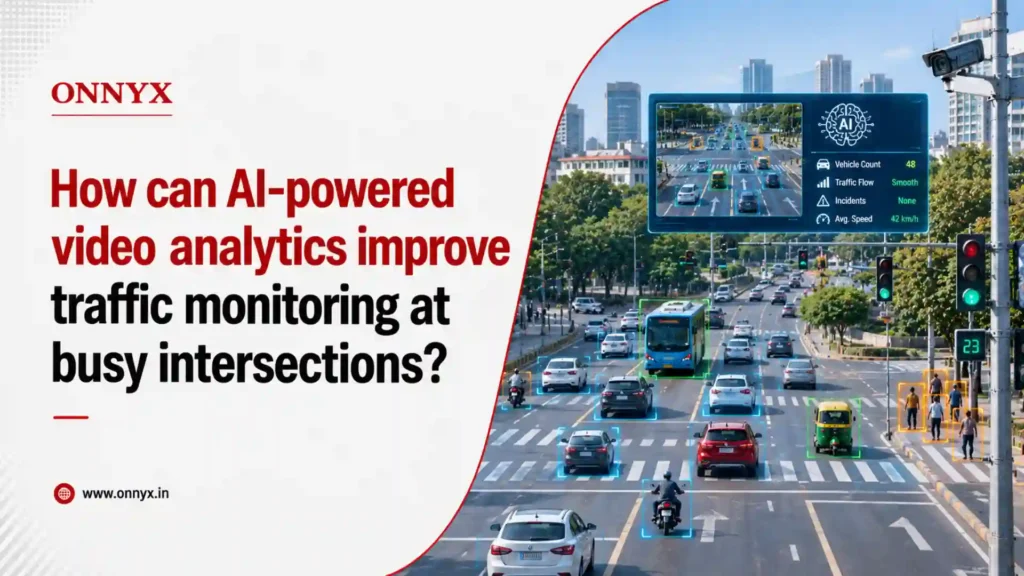
How Smart Highway Traffic Management Systems Improve Safety Smart highway traffic management systems are essential for enhancing road safety by proactively addressing hazards and dynamically managing traffic flow. These Intelligent Transport Systems (ITS) leverage advanced technologies to shift from reactive incident response to preventive safety measures. Globally, and particularly in India, high accident rates underscore the urgent need for intelligent traffic solutions to protect lives and infrastructure. India’s national-highway fatality count, while showing a slight decrease in 2025, remains a critical concern, with 57,482 deaths reported in 2025 across National Highways alone. This persistent challenge necessitates the adoption of sophisticated, data-driven approaches to highway safety. Onnyx, a leader in Intelligent Transport Systems, recognizes that modern highway infrastructure demands connected and future-ready solutions to mitigate risks. By integrating AI-powered traffic management and real-time monitoring, these systems create a proactive safety ecosystem. This article outlines the “4-Layer Safety Shield Framework,” demonstrating how intelligent systems prevent accidents, minimize impact, and continuously learn from every event. How Real-Time Incident Detection Enhances Emergency Response Real-time incident detection is crucial for minimizing the impact of highway incidents by enabling immediate responses. AI-powered cameras and sensors continuously monitor road conditions, detecting accidents, stalled vehicles, and other hazards within seconds. This rapid detection is a cornerstone of effective incident management. Automatic Incident Detection (AID): Systems can identify incidents up to 12 minutes faster than traditional methods. Reduced Response Times: AI-based detection can cut average detection time from 6 minutes to 45 seconds, leading to a 38% reduction in secondary crashes, according to a 2026 case study. Emergency Services Integration: Instant alerts are relayed to control centers and emergency services for coordinated, rapid deployment. Faster incident clearance directly reduces secondary accidents, which are often more severe than initial collisions. Onnyx’s Intelligent Traffic Systems (ITS) integrate these capabilities, ensuring that incidents are identified and addressed with unparalleled speed and precision. How Predictive Analytics Prevents Accidents Proactively Predictive analytics transforms highway safety from reactive to proactive, identifying potential risks before incidents occur. Traffic monitoring systems leverage AI traffic management algorithms to analyze vast datasets, including historical accident patterns, weather conditions, and traffic flow. This enables the prediction of high-risk scenarios. Risk Prediction Accuracy: A 2025 intelligent traffic risk prediction framework reported 88.7% predictive accuracy and a simulated 35% reduction in accident probability. Dynamic Speed Limits: Weather-based risk assessments enable automatic adjustment of speed limits, reducing weather-related crash severity. Variable speed limits have been associated with average crash reductions of 29% in Georgia and 34% in Wyoming. Congestion Management: Proactive traffic diversion prevents large-scale pile-ups by mitigating congestion before it becomes critical. Onnyx’s AI-Powered Traffic Management solutions continuously learn from real-time and historical data, refining their ability to forecast and prevent accidents. How Wrong-Way Driver Detection Enhances Highway Safety Wrong-way driving incidents are exceptionally dangerous due to the high speeds and head-on collision potential on highways. Smart highway traffic management systems employ automated detection and intervention mechanisms to prevent these catastrophic events. Wrong-side driving accounted for 9,432 deaths in India in 2023, highlighting the severity of the issue. AI Surveillance: AI-based surveillance systems automatically detect vehicles entering highway ramps or sections in the wrong direction. Instant Alerts: Immediate notifications are sent to traffic control centers and law enforcement. Dynamic Warning Signage: Variable Message Signboards (VMS) instantaneously display warnings to wrong-way drivers and oncoming traffic, preventing collisions. The fatality rate for wrong-side driving crashes on National Highways exceeded 46% between 2019 and 2023, significantly higher than on other roads. Onnyx provides robust wrong-way driver detection as a critical component of its Smart Road Safety Solutions. How Intelligent Lighting and Signage Improve Driver Visibility Enhanced visibility is fundamental to road safety, particularly during adverse weather or at night. Intelligent Transport Systems (ITS) utilize adaptive lighting and dynamic signage to provide drivers with timely and relevant information. These systems proactively address changing road conditions, reducing accident risks. Variable Message Signboards (VMS): These display real-time safety warnings, incident alerts, and traffic conditions. Adaptive Lighting: Systems adjust illumination levels based on traffic density, weather, and time of day, ensuring optimal visibility. Digital Speed Limits: Displays dynamically change speed limits according to current road conditions, promoting compliance. These technologies help modify driver behavior, encouraging safer speeds and increased awareness of hazards. Onnyx’s Smart Infrastructure solutions integrate these visual cues to create a more responsive and safer driving environment. How Data-Driven Planning Optimizes Safety Infrastructure Data-driven safety infrastructure planning moves beyond reactive fixes to strategically identify and mitigate accident risks. Traffic analytics, powered by Mobility Analytics, provide insights into accident-prone zones and infrastructure deficiencies. This enables evidence-based decision-making for long-term safety improvements. Accident Hotspot Identification: Advanced analytics pinpoint locations with high crash frequencies, guiding targeted interventions. Infrastructure Gap Analysis: Data informs decisions on road design enhancements, safety barrier placements, and intersection improvements. Long-Term Trend Analysis: Strategic infrastructure investments are guided by analyzing safety trends over time. AI in proactive road infrastructure safety can identify dangerous locations proactively before crashes happen when accurate data is available,according to the OECD/ITF. Onnyx’s Traffic Intelligence platforms integrate with smart city dashboards for holistic urban safety planning, ensuring continuous improvement. Safety Challenge Traditional Approach Smart HTMS Approach Safety Impact Incident Detection Speed Manual reporting, delayed discovery (minutes to hours) AI-powered cameras, sensors (seconds) Faster emergency response, 38% reduction in secondary crashes Emergency Response Coordination Sequential notifications, manual dispatch Integrated platforms, automated dispatch to nearest units Reduced response times by 40.15%,better resource allocation Wrong-Way Driver Prevention Static signs, limited enforcement Automated detection, instant alerts, dynamic VMS warnings Proactive intervention, prevention of head-on collisions, critical on high-speed corridors with over 46% fatality rate on NHs Weather Hazard Management General forecasts, fixed speed limits Real-time weather sensors, dynamic speed limits, VMS warnings 25% reduction in accident risk in simulations, 29-34% crash reduction with VSL Accident-Prone Zone Identification Post-accident analysis, historical data review Predictive analytics, continuous risk assessment, hotspot mapping Targeted infrastructure improvements, prevention of future incidents,17% crash reduction with AI-assisted traffic management Real-Time Driver Warnings Fixed signage, radio announcements VMS, in-vehicle alerts, adaptive traffic signals Improved

How Smart Highway Traffic Management Systems Improve Safety Read More »

Smart Traffic Management Systems: How Technology Is Untangling Our Roads

Smart Traffic Management Systems: How Technology Is Untangling Our Roads

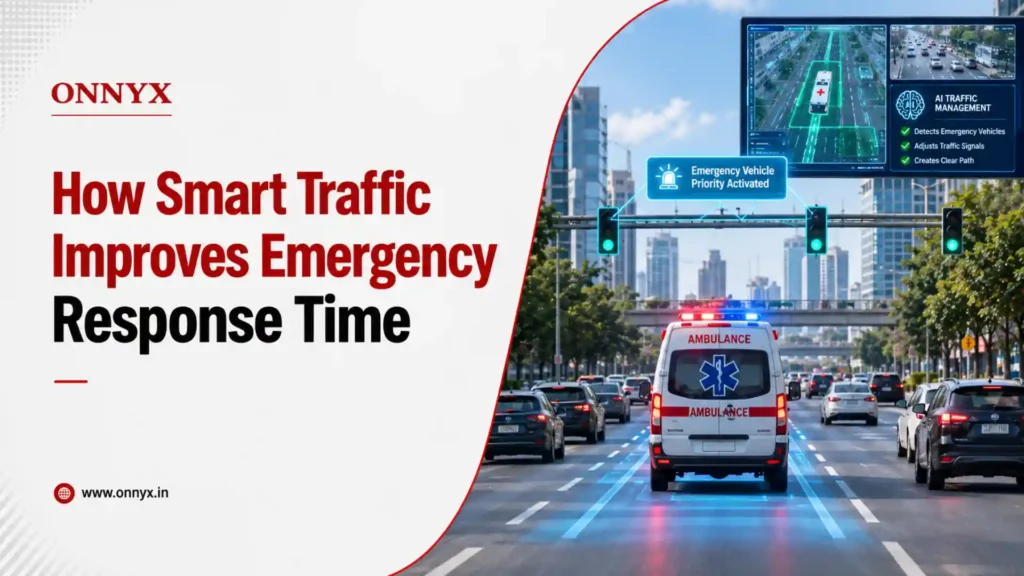
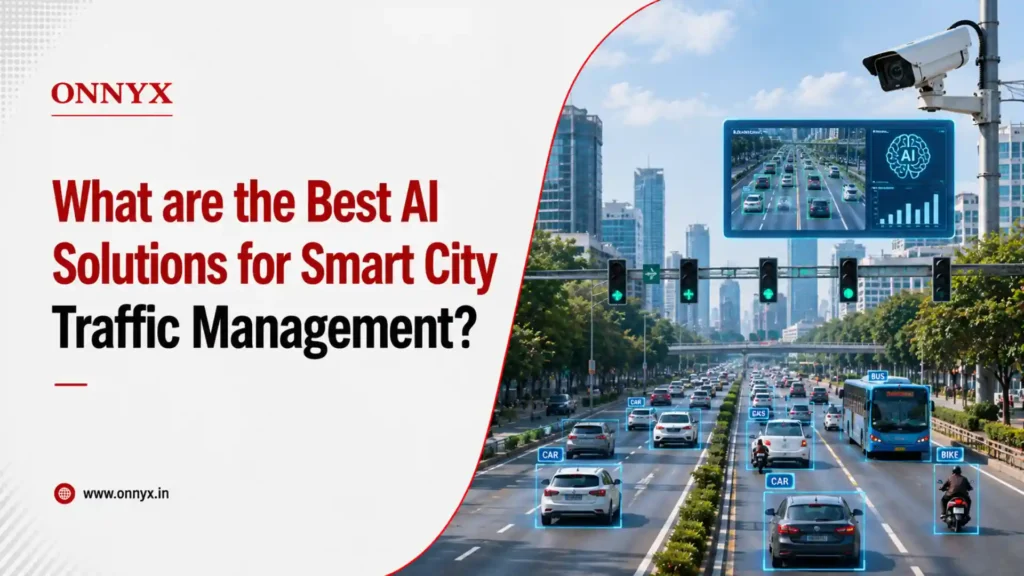
Smart Traffic Management Systems: How Technology Is Untangling Our Roads Intelligent traffic management systems are transforming the way cities handle urban mobility. By using a mix of sensors, surveillance cameras, and real-time data analytics, these systems help reduce traffic congestion and improve road safety. As urban populations continue to grow and traffic conditions become more challenging, adopting smart traffic management solutions is becoming increasingly important for modern cities. Understanding Smart Traffic Management System Onnyx Smart City Solutions showcase how modern traffic systems can improve urban mobility. With features like real-time traffic monitoring, data analysis, and smart decision-making support, these solutions help operators respond faster and manage traffic more efficiently. By integrating advanced analytics with intelligent sensors, they provide a smarter and more connected approach to handling growing urban traffic challenges. Core Components and System Operations  Modern smart traffic management systems bring together multiple technologies into one connected network. At the core of these systems are AI-powered algorithms, traffic flow sensors, and environmental monitoring stations. Together, they provide city operators with a clear, real-time view of traffic conditions across different areas. Some of the key components that keep these systems running efficiently include: Real-time analytics engines for faster data processing and decision-making AI-based prediction models to identify and manage congestion before it escalates Emergency response systems for quicker incident detection and handling Mobile alert platforms to keep the public informed about traffic updates and diversions Emergency Vehicle Priority (EVP) is a system that allows emergency vehicles to automatically control traffic signals, giving them a clear and faster route during emergencies.  Onnyx Smart City Solutions combine all these capabilities into a single intelligent platform, helping authorities monitor traffic more effectively, improve road safety, and ensure smoother movement across urban areas. Smart Traffic management system Benefits and Impact The adoption of intelligent traffic management systems has delivered noticeable improvements for cities around the world. Cities implementing these solutions have reported up to a 25% reduction in travel time and nearly a 30% decrease in traffic congestion. In many cases, intersection efficiency has improved by around 40%, while unnecessary vehicle stops have been reduced significantly. Beyond traffic flow, these systems also create a positive environmental impact. Smarter traffic management helps reduce vehicle idling and keeps traffic moving more efficiently, leading to nearly a 15% reduction in emissions. Fuel consumption also drops by approximately 20% as drivers spend less time waiting in congested areas. Together, these improvements contribute to cleaner air, lower noise pollution, and a more sustainable environment. Safety is one of the biggest advantages of implementing smart traffic control systems. By using real-time monitoring, automated alerts, and faster traffic coordination, cities are able to respond more effectively to road incidents and improve overall public safety. Cities that have adopted intelligent traffic management solutions have reported: Up to 45% faster emergency response times Around 30% reduction in traffic accidents Nearly 50% decrease in pedestrian-related incidents Approximately 40% improvement in safety around school zones These improvements not only make roads safer for drivers and pedestrians but also help create a more secure and organized urban transportation environment. Challenges and Strategic Solutions  Implementing smart traffic management systems comes with its own set of challenges, especially for cities working with older infrastructure. One of the biggest difficulties is integrating modern technologies with existing traffic systems without disrupting daily operations. In addition, maintaining data security, network reliability, and uninterrupted system performance is essential for ensuring smooth and secure traffic management. Onnyx addresses these challenges through end-to-end support services, including technical assistance, system integration support, and staff training programs. This helps cities transition more smoothly to advanced traffic solutions while ensuring reliable performance and efficient day-to-day operations. Future-Ready Growth with Intelligent Traffic Technologies  Modern intelligent traffic management systems need to support both present-day traffic demands and future urban expansion. A successful implementation usually starts with evaluating the city’s existing infrastructure, followed by phased upgrades to important traffic management components. This gradual approach allows cities to continue daily operations without disruption while steadily improving their traffic control capabilities. Onnyx offers flexible and scalable solutions designed to adapt to evolving urban requirements. Their smart traffic management platform supports: Smooth integration with existing traffic infrastructure Step-by-step expansion of monitoring and control systems Improved data analytics and detailed reporting capabilities Advanced emergency response and incident management features This scalable approach helps cities modernize efficiently while staying prepared for future mobility and traffic management challenges. Advanced Features for Smart Cities Modern smart traffic control systems are equipped with advanced technologies that help cities manage mobility more efficiently. AI-driven analytics can identify traffic patterns, predict congestion, and support faster decision-making, while automated response systems handle routine traffic situations with minimal manual intervention. Together, these capabilities create a more proactive approach to traffic management by addressing potential issues before they become major problems. Today’s intelligent traffic systems also integrate with other essential urban services such as public transportation, emergency response networks, and smart parking solutions. This connected ecosystem helps cities improve overall mobility and operational efficiency in several ways: Better coordination and scheduling of public transport Faster and more organized emergency response management Improved parking utilization and reduced search time for drivers Stronger environmental monitoring and pollution control support By connecting multiple city services into one intelligent platform, smart traffic management systems contribute to safer, cleaner, and more efficient urban environments. Adaptive Machine Learning Integration Smart traffic management systems are becoming more advanced with the integration of adaptive machine learning technologies. Modern intelligent traffic solutions can now study and understand traffic patterns across different parts of a city, allowing them to respond more accurately to changing road conditions and congestion trends. These intelligent systems also go beyond traditional traffic monitoring by combining insights from multiple data sources, including weather forecasts, event schedules, and even public activity trends. By analyzing this information in real time, the system can predict potential traffic disruptions hours in advance. Multi-Modal Transportation Integration Modern smart traffic control systems are designed to manage multiple modes of transportation together, creating a more connected

Smart Traffic Management Systems: How Technology Is Untangling Our Roads Read More »

solar traffic light manufacturer

Solar Traffic Light Manufacturer

Solar Traffic Light Manufacturer India is witnessing rapid growth in solar-based traffic and lighting infrastructure as cities move toward smarter and more sustainable urban development. According to industry reports, India’s solar street lighting market was estimated at around USD 1.2 billion (approximately ₹10,200 crore) in 2025 and is projected to reach USD 3.8 billion (approximately ₹32,300 crore) by 2034, highlighting the growing adoption of renewable energy solutions in public infrastructure and smart city projects  This growth is being driven by smart city projects, rural electrification, and the rising demand for energy-efficient infrastructure. Government initiatives like the Smart Cities Mission and renewable energy programs are also encouraging the adoption of solar-powered traffic solutions across urban and rural areas. Many Indian cities are already implementing smart and sensor-based traffic systems to improve road safety, reduce congestion, and build more sustainable transportation networks. This blog will delve into the special functions of solar traffic light systems and the value these functions bring, providing readers with a comprehensive understanding of the system. As a trusted solar traffic light manufacturer, ONNYX helps organizations adopt energy-efficient traffic control solutions for modern infrastructure projects.   Why Choose Solar-Powered Traffic Lights? Traffic safety is becoming more important than ever, and reliable traffic lights play a big role in keeping roads organized, reducing accidents, and ensuring smooth vehicle movement. Traditional traffic lights often require high electricity usage and expensive infrastructure setup. Solar-powered traffic lights, however, offer a smarter and more sustainable alternative. They help reduce energy costs and continue working efficiently even in areas where power supply is unreliable. Some of the major benefits of solar-powered traffic lights include: Energy Independent: Powered by efficient solar panels, they work without depending completely on the electricity grid, making them suitable for remote and rural areas. Cost Effective: Lower electricity consumption and minimal maintenance help save costs over time. Environment Friendly: By using renewable solar energy, they help reduce carbon emissions and support greener infrastructure. Reliable Performance: With bright LED lights and battery backup systems, they provide clear visibility during both day and night. Built for Outdoor Conditions: Weatherproof and corrosion-resistant materials ensure long-lasting performance in different environments. Onnyx brings together these advantages with modern engineering to deliver solar traffic lights that are reliable, practical, and designed for long-term use. Components of a Solar-Powered Traffic Light A solar-powered traffic light works with different components that help convert sunlight into reliable traffic signals. Each part has an important role in keeping the system running smoothly. Solar Panels Solar panels collect sunlight and turn it into electricity. Most systems use monocrystalline or Polycrystalline panels. They are installed at proper angles to get maximum sunlight during the day. A professional solar traffic light manufacturer ensures these panels are optimized for maximum energy generation and long-term performance.  Batteries Batteries store the extra energy generated by the solar panels. This stored power helps the traffic lights work during the night or when sunlight is low. Lithium-ion and Lead-acid batteries are commonly used in these systems. LED Lights LED lights are used because they are bright, energy-efficient, and long-lasting. They consume less power and provide clear visibility, making traffic signals easy to notice from a distance. Controllers Controllers manage the entire traffic light system. They control signal timing and regulate the flow of power between the solar panels, batteries, and LED lights for smooth operation. Future of Solar Traffic Lights As smart cities and sustainable infrastructure projects continue to grow, the demand for solar-powered traffic systems is expected to increase further. Many cities are already adopting solar traffic lights to reduce energy costs and improve traffic efficiency. Modern solar traffic systems are also being integrated with smart technologies such as sensors, remote monitoring, and automated traffic management systems. These advancements help improve traffic flow and road safety. In the coming years, A reliable solar traffic light manufacturer plays a crucial role in supplying advanced and durable systems that meet evolving urban transportation needs.  Real-World Applications Solar-powered traffic lights are not just a concept; they’re already in play in numerous cities worldwide. Beyond just traffic lights, solar-powered traffic signs, like warning signs and directional signs, are also making their way onto our roads. These signs are easy to install, require minimal maintenance, and, thanks to solar power, have a minimal operational cost. Opportunities for Developing Countries to Adopt Solar Traffic Lights Developing countries have strong opportunities to adopt solar-powered traffic light systems. These systems reduce dependence on grid electricity, lower carbon emissions, and support sustainable infrastructure development. They also require less wiring, which helps reduce installation and maintenance costs. In addition, bright LED signals improve road visibility and safety, while their flexible design makes them suitable for remote areas where traditional infrastructure is limited. At ONNYX, we believe solar-powered traffic light systems offer more than just traffic control. They help improve traffic efficiency, enhance road safety, and support environmentally responsible development.As an experienced solar traffic light manufacturer, ONNYX is committed to delivering innovative solutions that contribute to smarter and more sustainable cities. FAQs Q1. What is a solar traffic light and how does it work? A solar traffic light runs on energy collected by solar panels during the day, stored in batteries, and used to power bright LED signals day and night. ONNYX designs solar traffic systems with battery backup to ensure uninterrupted performance even during low-sunlight days.   Q2. What are the advantages of solar-powered traffic lights over traditional ones? Solar traffic lights eliminate grid dependency, reduce electricity costs, require minimal wiring, and are ideal for remote or power-scarce locations. ONNYX’s solar signals also come with weatherproof construction for long-term outdoor durability.   Q3. Are solar traffic lights suitable for rural and remote areas in India? Yes — in fact, they are ideal for such locations. Since they don’t rely on grid electricity, ONNYX’s solar traffic lights can be deployed in villages, highways, and areas with unreliable power supply without any infrastructure overhaul.   Q4. What components make up a solar traffic light system? A complete solar traffic

Solar Traffic Light Manufacturer Read More »

Traffic Light Manufacturer & Signal Lights Supplier

Traffic Light Manufacturer & Signal Lights Supplier

Traffic Light Manufacturer & Signal Lights Supplier Modern cities face ever-growing challenges with urban traffic, demanding intelligent traffic systems to ensure smooth flow and enhanced safety. A reliable traffic light manufacturer is crucial for providing the advanced solutions needed to keep our roads moving efficiently and safely. What Does a Traffic Light Manufacturer Do? A traffic light manufacturer plays an indispensable role in urban infrastructure, designing, producing, and deploying essential control systems that govern road traffic flow. Their comprehensive offerings are vital for modern traffic management solutions and public safety. Role in Urban Infrastructure A traffic light manufacturer is at the forefront of developing and supplying critical components for urban mobility, ensuring efficient traffic flow and reducing the risk of accidents. They are integral to any smart city project aimed at improving overall road safety. Hardware and Software Capabilities Beyond just physical signal lights, a modern traffic light manufacturer offers comprehensive hardware, including durable housing and detection systems, alongside sophisticated software for real-time traffic control and adaptive traffic signal operation. Their innovation leads to more efficient traffic management. Types of Signal Lights Offered A diverse range of signal lights is offered by manufacturers, including standard red, yellow, and green lights, pedestrian traffic lights with countdown timers, and specialized signals for various road traffic scenarios, all designed for maximum visibility and safety. Types of Traffic Light Systems Offered A traffic light manufacturer provides an array of sophisticated traffic light systems, each designed with specific functionalities to enhance road traffic management, improve safety, and contribute to sustainable urban development. LED Traffic Signals LED traffic signals are a flagship product from any leading traffic light manufacturer, known for their energy-efficient operation, superior visibility, and extended lifespan compared to traditional incandescent bulbs. These lights significantly reduce maintenance needs and environmental impact. Solar-Powered Traffic Lights Solar-powered traffic lights represent a sustainable solution offered by a forward-thinking traffic light manufacturer, ideal for remote locations or areas prone to power outages. These systems leverage renewable energy, ensuring continuous and reliable operation with minimal environmental footprint. Adaptive Traffic Signals Adaptive traffic signals, a key innovation from a smart traffic light manufacturer, dynamically adjust timing based on real-time traffic conditions detected through advanced sensors and video technology. This sophisticated control system optimizes traffic flow, reduces congestion, and improves overall road safety. Key Features to Look for in a Traffic Light Manufacturer When evaluating a traffic light manufacturer, several key features distinguish a leader from the rest. These include the durability and compliance of their products with stringent government standards, their commitment to energy efficiency in all traffic solutions, and the integration of real-time monitoring capabilities to ensure optimal performance. Durability and Compliance with Government Standards A reputable traffic light manufacturer prioritizes the durability of its products, ensuring they can withstand harsh environmental conditions and continuous operation. Compliance with ISO standards and other government regulations for traffic signal design and safety is paramount, guaranteeing that every traffic light and pedestrian signal meets the highest industrial quality benchmarks and contributes to overall road safety. Energy Efficiency in Traffic Solutions Energy efficiency is a critical consideration for modern urban infrastructure, and a leading traffic light manufacturer will offer solutions that minimize power consumption. LED traffic lights, for instance, are a prime example of this, providing superior visibility while significantly reducing the environmental impact and operational costs for cities. Such efficient design reflects a commitment to sustainable traffic management solutions. Real-Time Monitoring Capabilities Advanced traffic management systems from a top traffic light manufacturer incorporate real-time monitoring capabilities, allowing city operators to oversee the status of every traffic light and detection system remotely. This technology enables immediate identification of issues, proactive maintenance, and effective adjustment of traffic signal timings, ensuring continuous and efficient traffic flow throughout the city with enhanced safety. How Smart Traffic Signals Are Transforming Cities Smart traffic signals are at the forefront of urban innovation, revolutionizing how cities manage their road networks. By leveraging cutting-edge technology, these systems are transforming the urban environment into a more efficient, safer, and responsive space, addressing complex traffic challenges with unprecedented precision. Integration of AI and IoT The integration of AI and IoT is a game-changer for smart traffic light systems offered by a leading traffic light manufacturer. AI algorithms analyze real-time data from various sensors and detection systems, while IoT connectivity allows traffic signals to communicate with each other and with central control systems. This synergy enables adaptive traffic signal operation, optimizing traffic flow and reducing congestion across the city. Real-Time Analytics and Use Cases Smart traffic signals provide invaluable real-time analytics, offering detailed insights into traffic patterns, vehicle speed, and congestion points. These data-driven insights empower traffic management solutions to make immediate adjustments. For instance, in areas with sudden increases in road traffic, the system can automatically adjust signal timings to prevent gridlock, making traffic control far more effective and responsive. Ambulance Priority Systems A critical innovation in smart traffic light systems is the implementation of ambulance priority systems, designed to enhance public safety and emergency response times. This technology allows emergency vehicles, such as ambulances, to communicate with traffic signals, changing them to green in their path. This ensures a clear route for urgent interventions, dramatically reducing response times and potentially saving lives within the urban environment. Why Government & Smart Cities Need Advanced Traffic Solutions Government bodies and smart cities increasingly recognize the critical need for advanced traffic management solutions to navigate the complexities of modern urban living. A forward-thinking traffic light manufacturer plays a pivotal role in delivering the technology and expertise required to build resilient, efficient, and safe urban environments. Urbanization Challenges The rapid pace of urbanization presents significant challenges for cities, including ever-increasing road traffic, congestion, and the urgent need for enhanced public safety. A reliable traffic light manufacturer offers the innovative solutions necessary to mitigate these issues, providing durable signal lights and smart traffic systems that are essential for efficient traffic flow and accident prevention in dense urban environments. Smart City Projects and Initiatives Smart city

Traffic Light Manufacturer & Signal Lights Supplier Read More »

Highway Traffic Management System: The Backbone of Smart and Safe Highways

Highway Traffic Management System: The Backbone of Smart and Safe Highways

Highway Traffic Management System: The Backbone of Smart and Safe Highways Every day, millions of vehicles navigate highways across India and the world and every day, those highways become more congested, more dangerous, and more inefficient. From multi-vehicle pile-ups on expressways to chronic bottlenecks at toll plazas, the cost of poorly managed highway traffic is enormous: in lost productivity, in lives, and in environmental damage. The traditional approach of deploying traffic police, erecting static signs, and reacting to incidents after the fact is simply no longer sufficient. As vehicle volumes surge and infrastructure ages, the need for intelligent, data-driven, proactive solutions has never been more urgent. This is where a Highway Traffic Management System (HTMS) steps in a transformative technology stack that brings intelligence, automation, and real-time responsiveness to highway operations. What is a highway traffic management system? A Highway Traffic Management System is an integrated framework of technologies, infrastructure, and operational protocols designed to monitor, manage, and optimise traffic flow across highway networks. It forms a critical component of Intelligent Transportation Systems (ITS) the broader ecosystem of smart mobility solutions adopted by governments and infrastructure operators worldwide. At its core, a highway traffic management system leverages AI traffic management algorithms, IoT-connected sensors, high-resolution cameras, and real-time data analytics to give traffic authorities unprecedented visibility and control over road conditions. Rather than waiting for problems to escalate, an intelligent traffic management system enables operators to predict, prevent, and respond to incidents before they spiral into major disruptions. From detecting a stalled vehicle within seconds to dynamically rerouting thousands of cars away from an accident zone the HTMS is the digital nerve centre of the modern highway. Key Components of a Highway Traffic Management System CCTV & AI-Based Surveillance High-definition CCTV cameras deployed at regular intervals across the highway feed live video streams to a central control center. Integrated with AI traffic management software, these cameras can automatically detect wrong-way drivers, stopped vehicles, pedestrians on the carriageway, and unusual traffic patterns, triggering instant alerts to operators. Automatic Incident Detection (AID) Systems AID systems use a combination of video analytics, radar, and loop detectors embedded in the road surface to identify incidents such as accidents, debris on the road, or sudden speed drops. The traffic monitoring system can classify incident severity and initiate pre-defined response protocols within seconds. Variable Message Signboards (VMS) VMS displays positioned at strategic intervals provide real-time guidance to drivers warning of incidents ahead, displaying current speed limits, announcing lane closures, or directing traffic to alternate routes. These are a critical interface between the highway traffic management system and road users. Speed Detection & Enforcement Systems Automated speed cameras, radar guns, and Average Speed Enforcement (ASE) systems monitor vehicle speeds across sections of the highway. Violations are recorded and processed automatically, improving compliance and reducing speeding-related accidents. Weather & Environmental Monitoring Systems Roadside weather stations measure visibility, road surface temperature, wind speed, and rainfall in real time. This data feeds directly into the intelligent traffic management system, enabling operators to post appropriate warnings and adjust speed limits before hazardous weather-related accidents occur. Central Command & Control Centre The command centre is the brain of the entire operation. All data streams from sensors, cameras, and systems converge here, where operators use advanced dashboards and AI-assisted tools to make rapid, informed decisions about traffic management, incident response, and resource deployment. How a Highway Traffic Management System Works The operational flow of an HTMS follows a seamless cycle:       Data Collection: Sensors, cameras, loop detectors, and weather stations continuously gather real-time data from the highway environment.       Data Transmission: Collected data is transmitted instantly via fibre optic networks or wireless communication to the central control centre.       Real-Time Analysis: AI and machine learning algorithms process incoming data streams, identifying patterns, anomalies, and incidents far faster than human operators alone.       Decision Making: Based on the analysis, the system (or the operator, supported by the system) takes action adjusting speed limits, issuing VMS alerts, notifying emergency services, or dynamically rerouting traffic.       Communication with Drivers: Updated information reaches drivers via VMS displays, highway radio broadcasts, and integrated navigation apps creating a closed feedback loop that keeps traffic moving safely. Benefits of a Highway Traffic Management System The advantages of deploying a robust highway traffic management system extend across safety, efficiency, and sustainability:       Reduced Traffic Congestion: Dynamic traffic monitoring and rerouting capabilities prevent bottlenecks from forming and accelerate clearance when they do.       Improved Road Safety: Faster incident detection, automated alerts, and speed enforcement directly reduce accident frequency and severity.       Faster Emergency Response: Real-time incident data allows emergency services to be dispatched immediately, with accurate location information and route guidance.       Better Travel Time Prediction: Drivers and logistics operators benefit from accurate, data-driven journey time estimates, improving planning and reducing frustration.       Fuel Savings and Reduced Pollution: Smoother traffic flow means less stop-start driving, lowering fuel consumption and vehicle emissions across the network.       Efficient Toll and Traffic Flow Management: Integration with Electronic Toll Collection (ETC) systems eliminates manual bottlenecks at toll plazas, improving throughput. Role in Smart Highways & Future Mobility The highway traffic management system is not just a tool for today, it is the foundation infrastructure for the highways of tomorrow. Smart highway technology is being designed to support Vehicle-to-Vehicle (V2V) communication, enabling cars to share speed, direction, and hazard data with each other and Vehicle-to-Infrastructure (V2I) communication, where the highway itself exchanges real-time data with connected vehicles. Together, these capabilities will dramatically enhance safety and efficiency across the network. Looking further ahead, the integration of predictive analytics, digital twin modelling, and autonomous vehicle support will transform highways into fully intelligent corridors. An intelligent traffic management system deployed today will be the backbone that supports this transition, making the investment not just justified but strategically essential. Use Cases & Applications A highway traffic management system delivers

Highway Traffic Management System: The Backbone of Smart and Safe Highways Read More »

Open chat
Hello 👋
Can we help you?