
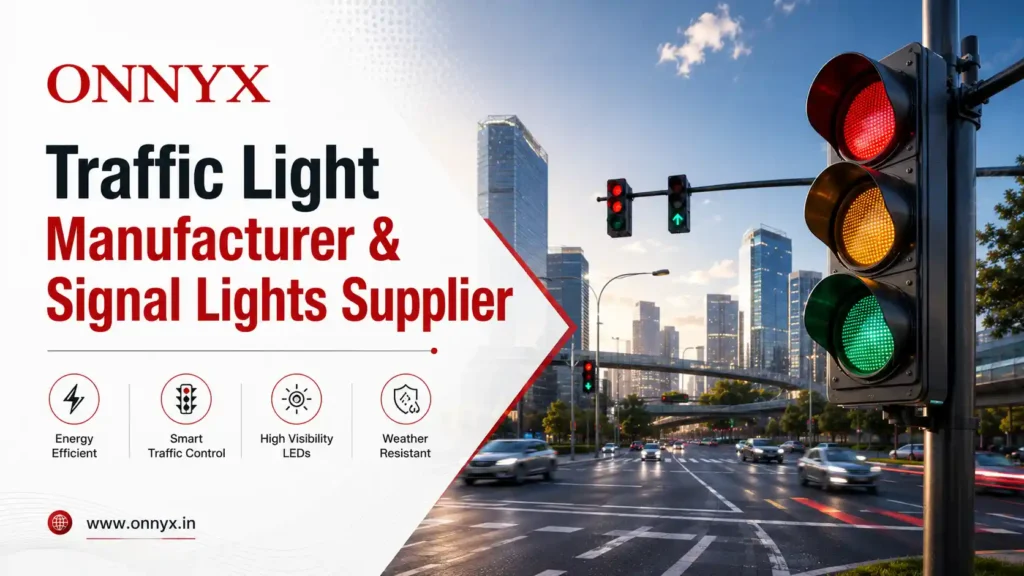
Traffic Light Manufacturer & Signal Lights Supplier
Traffic Light Manufacturer & Signal Lights Supplier Modern cities face ever-growing challenges with urban traffic, demanding intelligent traffic systems to ensure smooth flow and enhanced safety. A reliable traffic light manufacturer is crucial for providing the advanced solutions needed to keep our roads moving efficiently and safely. What Does a Traffic Light Manufacturer Do? A traffic light manufacturer plays an indispensable role in urban infrastructure, designing, producing, and deploying essential control systems that govern road traffic flow. Their comprehensive offerings are vital for modern traffic management solutions and public safety. Role in Urban Infrastructure A traffic light manufacturer is at the forefront of developing and supplying critical components for urban mobility, ensuring efficient traffic flow and reducing the risk of accidents. They are integral to any smart city project aimed at improving overall road safety. Hardware and Software Capabilities Beyond just physical signal lights, a modern traffic light manufacturer offers comprehensive hardware, including durable housing and detection systems, alongside sophisticated software for real-time traffic control and adaptive traffic signal operation. Their innovation leads to more efficient traffic management. Types of Signal Lights Offered A diverse range of signal lights is offered by manufacturers, including standard red, yellow, and green lights, pedestrian traffic lights with countdown timers, and specialized signals for various road traffic scenarios, all designed for maximum visibility and safety. Types of Traffic Light Systems Offered A traffic light manufacturer provides an array of sophisticated traffic light systems, each designed with specific functionalities to enhance road traffic management, improve safety, and contribute to sustainable urban development. LED Traffic Signals LED traffic signals are a flagship product from any leading traffic light manufacturer, known for their energy-efficient operation, superior visibility, and extended lifespan compared to traditional incandescent bulbs. These lights significantly reduce maintenance needs and environmental impact. Solar-Powered Traffic Lights Solar-powered traffic lights represent a sustainable solution offered by a forward-thinking traffic light manufacturer, ideal for remote locations or areas prone to power outages. These systems leverage renewable energy, ensuring continuous and reliable operation with minimal environmental footprint. Adaptive Traffic Signals Adaptive traffic signals, a key innovation from a smart traffic light manufacturer, dynamically adjust timing based on real-time traffic conditions detected through advanced sensors and video technology. This sophisticated control system optimizes traffic flow, reduces congestion, and improves overall road safety. Key Features to Look for in a Traffic Light Manufacturer When evaluating a traffic light manufacturer, several key features distinguish a leader from the rest. These include the durability and compliance of their products with stringent government standards, their commitment to energy efficiency in all traffic solutions, and the integration of real-time monitoring capabilities to ensure optimal performance. Durability and Compliance with Government Standards A reputable traffic light manufacturer prioritizes the durability of its products, ensuring they can withstand harsh environmental conditions and continuous operation. Compliance with ISO standards and other government regulations for traffic signal design and safety is paramount, guaranteeing that every traffic light and pedestrian signal meets the highest industrial quality benchmarks and contributes to overall road safety. Energy Efficiency in Traffic Solutions Energy efficiency is a critical consideration for modern urban infrastructure, and a leading traffic light manufacturer will offer solutions that minimize power consumption. LED traffic lights, for instance, are a prime example of this, providing superior visibility while significantly reducing the environmental impact and operational costs for cities. Such efficient design reflects a commitment to sustainable traffic management solutions. Real-Time Monitoring Capabilities Advanced traffic management systems from a top traffic light manufacturer incorporate real-time monitoring capabilities, allowing city operators to oversee the status of every traffic light and detection system remotely. This technology enables immediate identification of issues, proactive maintenance, and effective adjustment of traffic signal timings, ensuring continuous and efficient traffic flow throughout the city with enhanced safety. How Smart Traffic Signals Are Transforming Cities Smart traffic signals are at the forefront of urban innovation, revolutionizing how cities manage their road networks. By leveraging cutting-edge technology, these systems are transforming the urban environment into a more efficient, safer, and responsive space, addressing complex traffic challenges with unprecedented precision. Integration of AI and IoT The integration of AI and IoT is a game-changer for smart traffic light systems offered by a leading traffic light manufacturer. AI algorithms analyze real-time data from various sensors and detection systems, while IoT connectivity allows traffic signals to communicate with each other and with central control systems. This synergy enables adaptive traffic signal operation, optimizing traffic flow and reducing congestion across the city. Real-Time Analytics and Use Cases Smart traffic signals provide invaluable real-time analytics, offering detailed insights into traffic patterns, vehicle speed, and congestion points. These data-driven insights empower traffic management solutions to make immediate adjustments. For instance, in areas with sudden increases in road traffic, the system can automatically adjust signal timings to prevent gridlock, making traffic control far more effective and responsive. Ambulance Priority Systems A critical innovation in smart traffic light systems is the implementation of ambulance priority systems, designed to enhance public safety and emergency response times. This technology allows emergency vehicles, such as ambulances, to communicate with traffic signals, changing them to green in their path. This ensures a clear route for urgent interventions, dramatically reducing response times and potentially saving lives within the urban environment. Why Government & Smart Cities Need Advanced Traffic Solutions Government bodies and smart cities increasingly recognize the critical need for advanced traffic management solutions to navigate the complexities of modern urban living. A forward-thinking traffic light manufacturer plays a pivotal role in delivering the technology and expertise required to build resilient, efficient, and safe urban environments. Urbanization Challenges The rapid pace of urbanization presents significant challenges for cities, including ever-increasing road traffic, congestion, and the urgent need for enhanced public safety. A reliable traffic light manufacturer offers the innovative solutions necessary to mitigate these issues, providing durable signal lights and smart traffic systems that are essential for efficient traffic flow and accident prevention in dense urban environments. Smart City Projects and Initiatives Smart city
Traffic Light Manufacturer & Signal Lights Supplier Read More »