Smart Cities and Intelligent Traffic Management
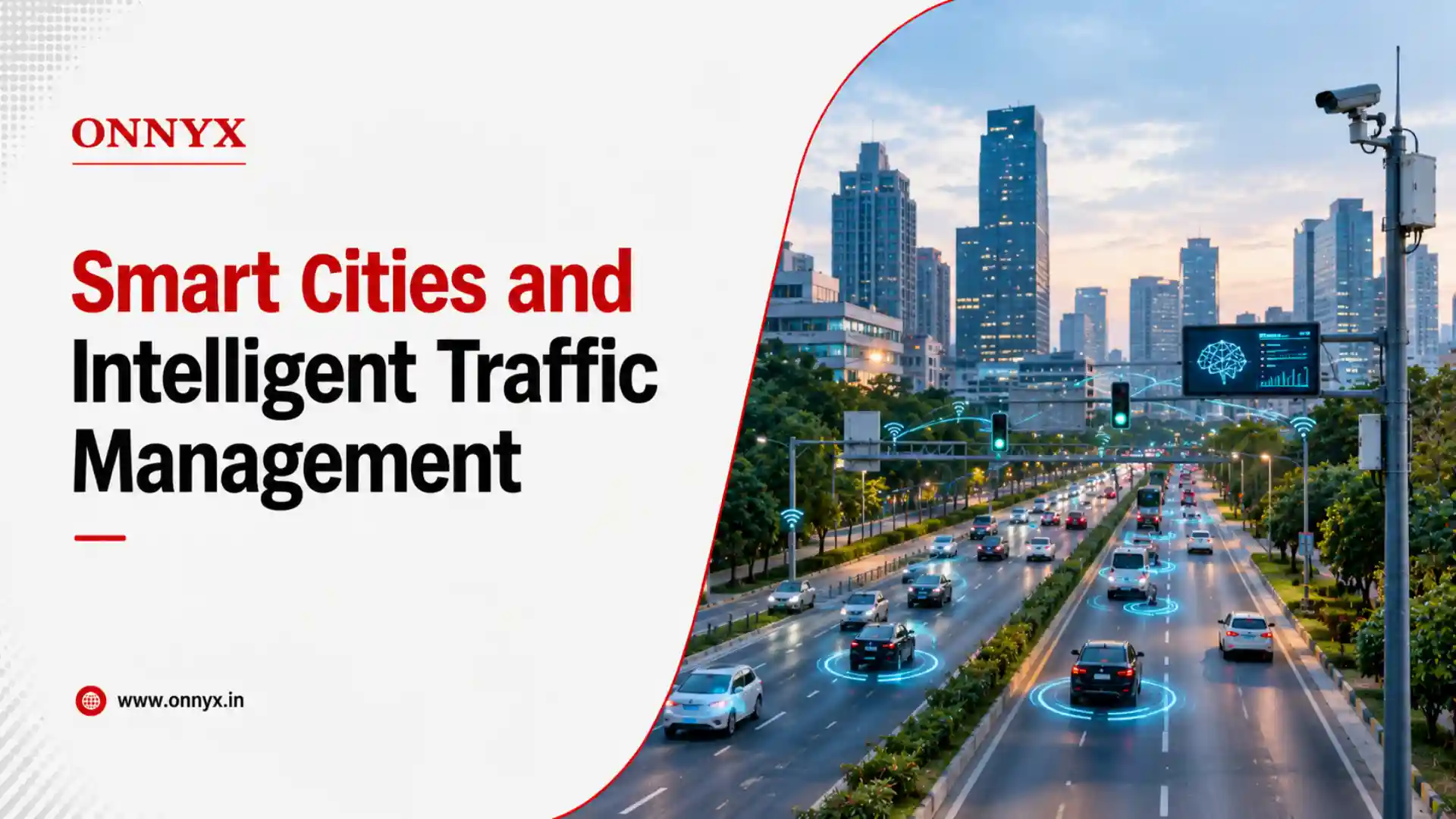
India’s urban centers are undergoing a significant transformation, driven by the vision of smart cities that integrate advanced technology with urban infrastructure. A cornerstone of this evolution is the implementation of intelligent traffic management systems (ITMS), which are crucial for addressing the growing complexities of urban mobility. These systems are foundational to achieving the operational efficiency and enhanced quality of life promised by smart city initiatives across the nation.
The government’s Smart Cities Mission has actively promoted traffic modernization, acknowledging that traditional traffic systems are insufficient for burgeoning urban populations. This article introduces a structured approach to intelligent traffic management deployment, known as the Three-Pillar Smart Traffic Framework, consisting of a Foundation Layer, an Intelligence Layer, and an Integration Layer. This framework outlines a sequential implementation pathway from basic modernization to fully integrated intelligent systems, providing clear ROI metrics at each stage.
What is Intelligent Traffic Management in Smart Cities?
Intelligent Traffic Management Systems (ITMS) are comprehensive solutions that leverage advanced technologies to monitor, analyze, and control traffic flow in real time. These systems integrate seamlessly with broader smart city infrastructure, transforming urban mobility from reactive to proactive management.
ITMS utilizes a range of technologies, including Adaptive Traffic Control Systems (ATCS), Automatic Number Plate Recognition (ANPR), and Red Light Violation Detection (RLVD), alongside AI-based vehicle detection to optimize signal timing and enforce traffic laws. Unlike traditional traffic control, which relies on fixed-time signals, intelligent systems adapt dynamically to changing traffic conditions, enhancing efficiency and safety. Learn more about how ITMS works.
| Feature | Traditional Traffic Systems | Intelligent Traffic Management Systems |
|---|---|---|
|
Signal Control Method
|
Fixed-time or pre-programmed cycles
|
Real-time adaptive optimization based on traffic demand
|
|
Real-Time Adaptability
|
Minimal to none; changes require manual reprogramming
|
High; adjusts signal timings dynamically using sensor data
|
|
Violation Detection
|
Primarily manual (traffic police) |
Automated via ANPR, RLVD, and speed detection cameras
|
|
Data Collection & Analytics
|
Limited manual collection; historical data for planning
|
Extensive real-time data collection, AI analytics, and predictive modeling
|
|
Energy Efficiency
|
Standard electricity consumption; less optimization
|
Optimized signal timing reduces idling, promoting fuel and energy savings
|
|
Maintenance Requirements
|
Routine checks, often reactive repairs
|
Predictive maintenance, remote monitoring, specialized technical support
|
|
Integration with Smart City Infrastructure
|
Isolated systems
|
Integrated with ICCC, public transport, emergency services
|
|
Cost Over 10-Year Lifecycle
|
Lower initial capital, higher operational inefficiencies
|
Higher initial capital, significant long-term operational savings and benefits
|
What are the Core Components of Smart City Traffic Infrastructure?
The core components of smart city traffic infrastructure form the Foundation Layer of the Three-Pillar Framework, establishing the essential technological backbone for intelligent operations. These components are critical for real-time traffic monitoring and control.
- Adaptive Traffic Control Systems (ATCS): These systems dynamically adjust traffic signal timings based on real-time traffic volume and flow data, significantly reducing congestion. A 2026 study reported a 33.30% drop in average annual delay per vehicle and a 35.39% reduction in fuel consumption at high-density urban intersections after ATCS deployment.
- AI-powered vehicle detection and classification systems: Utilizing cameras and sensors, these systems accurately detect vehicle presence, speed, and type, providing crucial data for signal optimization and traffic analysis.
- Red Light Violation Detection (RLVD) and Speed Violation Detection: Automated cameras capture violations, improving road safety and compliance. Over 7,200 cameras for red-light violations have been installed by 62 smart cities in India.
- Automatic Number Plate Recognition (ANPR): ANPR cameras automatically read license plates for enforcement, vehicle tracking, and data collection, supporting law enforcement and traffic management alike. Approximately 7,100 junctions in 67 cities use ANPR systems as part of the Smart Cities Mission.
- Integration with Integrated Command & Control Centers (ICCC): All of these components feed data into ICCCs, serving as the central nervous system for urban operations, enabling unified monitoring and response. All 100 Smart Cities in India now operate ICCCs as of a 2024 report.
What are the Benefits of Intelligent Traffic Management for Urban Development?
Intelligent Traffic Management Systems offer profound benefits for urban development, addressing key challenges faced by growing cities. These advantages extend beyond mere traffic flow to encompass environmental, economic, and safety improvements.
- Reduction in traffic congestion and improved traffic flow efficiency: ATCS can reduce average travel time by up to 25% in cities like Bengaluru, significantly easing urban bottlenecks.
- Enhanced road safety through automated violation detection: Automated systems like RLVD and ANPR deter infractions, contributing to a substantial decrease in accidents. Tumakuru’s ITMS, for example, led to a 25% reduction in traffic incidents.
- Data-driven decision making for urban planning and infrastructure development: Real-time and historical traffic data provide invaluable insights for urban planners to optimize infrastructure investments.
- Energy efficiency through solar-powered signals and optimized signal timing: Reduced idling times at intersections directly translate to lower fuel consumption and emissions. AI-powered traffic systems can cut idling by 25-40%.
- Cost savings for municipal corporations and government bodies: Optimized traffic flow reduces operational costs related to congestion, pollution, and emergency response. AI traffic monitoring can deliver 800K–2.5M in annual productivity, fuel, and emissions benefits for cities.
What are the Implementation Challenges and Solutions for Indian Cities?
Implementing intelligent traffic management in Indian cities involves navigating several complex challenges, from infrastructure readiness to long-term sustainability. Addressing these requires a multi-faceted approach and strategic planning.
Many cities face the hurdle of integrating new, advanced systems with existing legacy infrastructure, which can be outdated or incompatible. Budget constraints also pose a significant challenge, as ITMS projects require substantial upfront investment, though they offer considerable long-term ROI. Furthermore, a lack of technical expertise among local authorities and the need for sustained maintenance and upgrades are critical considerations for project success.
- Infrastructure readiness and legacy system integration: Cities must conduct thorough audits of existing infrastructure and plan for phased upgrades, ensuring new systems are interoperable with older ones.
- Budget constraints and funding mechanisms for smart city projects: Leveraging blended finance models, including central government grants, state funds, multilateral loans, and Public-Private Partnerships (PPPs), can help overcome financial hurdles as observed in smart city funding trends.
- Technical expertise requirements and capacity building: Investing in training programs for municipal staff and collaborating with technology partners can bridge the skills gap.
- Maintenance and long-term sustainability considerations: Project contracts must explicitly include long-term operations and maintenance (O&M) provisions, such as the five-year O&M included in Delhi’s ITMS project approved in 2026.
- Stakeholder coordination across multiple government departments: Establishing Integrated Command & Control Centers (ICCCs) facilitates inter-departmental collaboration, creating a unified operational view.
ONNYX’s Role in Smart City Traffic Modernization
ONNYX Electronisys Pvt. Ltd. stands as a leading Indian traffic technology company, providing comprehensive intelligent traffic management solutions tailored for smart cities. Our expertise spans traffic light systems, advanced traffic signal equipment, and Intelligent Transport Systems (ITS). Explore Learn more.
We integrate state-of-the-art traffic signals with ITS components to deliver end-to-end solutions that enhance traffic flow, improve road safety, and modernize urban transportation infrastructure. Our offerings include Adaptive Traffic Control Systems (ATCS), Red Light Violation Detection (RLVD), Speed Violation Detection Systems, Automatic Number Plate Recognition (ANPR), and AI-based vehicle detection and classification. ONNYX supports government procurement processes and forms strategic technology partnerships to ensure successful deployments in Indian smart city projects, driving efficiency and safety.
Future Trends: AI and IoT in Smart City Traffic Management
The future of smart city traffic management is intrinsically linked to the advancing capabilities of Artificial Intelligence (AI) and the Internet of Things (IoT). These technologies form the Intelligence Layer of the Three-Pillar Framework, enabling predictive and highly responsive traffic ecosystems.
- Emerging role of artificial intelligence in predictive traffic management: AI algorithms can analyze vast datasets to predict congestion, optimize signal timing proactively, and even guide traffic flow before issues arise. Delhi’s newly approved ITMS will use AI, real-time traffic data, and adaptive signals to improve flow and support emergency vehicles.
- IoT sensors and connected vehicle infrastructure: IoT devices deployed across urban landscapes collect real-time data on traffic flow, environmental conditions, and infrastructure performance, supporting data-driven decision-making and more efficient traffic management in smart cities.
- Integration with public transport systems and mobility-as-a-service platforms: Future systems will seamlessly integrate with public transit, ride-sharing, and other mobility services to offer holistic urban mobility solutions.
- 5G connectivity and real-time data processing capabilities: The low latency and high bandwidth of 5G networks are crucial for supporting real-time data exchange between vehicles, infrastructure, and central command centers. 5G services were available in 99.9% of districts by the end of 2025 across India.
Conclusion: Building Safer, Smarter Urban Mobility Ecosystems
Intelligent traffic management is not merely an enhancement but a critical imperative for the success of smart cities in India. By adopting the Three-Pillar Smart Traffic Framework—focusing on a robust Foundation Layer of infrastructure, an Intelligence Layer of AI and IoT, and an Integration Layer with broader urban systems—cities can achieve unprecedented levels of efficiency, safety, and sustainability.
Government authorities, smart city SPVs, and urban planners must prioritize the modernization of traffic infrastructure. Embracing adaptive traffic control, automated enforcement, and data-driven decision-making will pave the way for connected, efficient, and safe urban transportation in India. ONNYX Electronisys is committed to partnering with stakeholders to embark on this journey toward smarter urban mobility ecosystems.
Key Takeaways
- Intelligent Traffic Management Systems (ITMS) are essential for smart city success in India, moving beyond traditional fixed-time traffic control.
- The Three-Pillar Smart Traffic Framework (Foundation, Intelligence, Integration) provides a structured approach to ITMS deployment.
- Core components like ATCS, ANPR, and RLVD form the Foundation Layer, enabling real-time traffic monitoring and enforcement.
- ITMS offers significant benefits including reduced congestion, enhanced safety, data-driven planning, and energy efficiency.
- Key challenges in implementation include integrating legacy systems, securing funding, and building local technical expertise.
- AI and IoT represent the Intelligence Layer, enabling predictive traffic management and seamless integration with broader urban systems via 5G connectivity.
Key Terms Glossary
Smart City: An urban area that uses information and communication technologies to enhance operational efficiency, share information with the public, and improve both the quality of government services and citizen welfare.
Intelligent Traffic Management System (ITMS): A comprehensive system that uses technology to monitor, analyze, and control traffic flow in real time to reduce congestion and improve safety.
Adaptive Traffic Control System (ATCS): A traffic signal system that dynamically adjusts signal timings based on real-time traffic conditions rather than fixed schedules. Explore Learn more.
Automatic Number Plate Recognition (ANPR): A technology that automatically reads vehicle license plates to identify and track vehicles for enforcement and data collection.
Red Light Violation Detection (RLVD): An automated system that detects and records vehicles that run red lights, issuing citations based on photographic or video evidence.
Integrated Command & Control Center (ICCC): A central hub in smart cities that integrates data from various urban systems, including traffic, surveillance, and emergency services, for unified monitoring and response.
Internet of Things (IoT): A network of physical objects embedded with sensors, software, and other technologies for the purpose of connecting and exchanging data with other devices and systems over the internet.
5G: The fifth generation of cellular technology, designed to deliver higher multi-Gbps peak data speeds, ultra-low latency, more reliability, massive network capacity, increased availability, and a more uniform user experience to more users.
FAQs
Q1. What is intelligent traffic management in smart cities?
Intelligent Traffic Management (ITMS) in smart cities refers to integrated systems that use AI, IoT sensors, and adaptive technologies to optimize traffic flow, enhance road safety, and provide real-time monitoring and control for urban areas. Explore Learn more.
Q2. How does adaptive traffic control work in smart cities?
An Adaptive Traffic Control System (ATCS) uses real-time traffic data collected from sensors and cameras to dynamically adjust traffic signal timings. This optimizes signal phases and durations based on actual traffic demand, rather than relying on fixed, pre-set schedules.
Q3. What are the main components of a smart city traffic management system?
The main components include Adaptive Traffic Control Systems (ATCS), Automatic Number Plate Recognition (ANPR), Red Light Violation Detection (RLVD), speed detection systems, AI-based vehicle classification, microprocessor-based traffic signal controllers, and integration with Integrated Command & Control Centers (ICCC).
Q4. How much does it cost to implement intelligent traffic management in Indian cities?
The cost of implementing intelligent traffic management in Indian cities varies significantly based on factors such as city size, existing infrastructure, and chosen technologies, but projects can range from tens of crores to over a thousand crores, such as Delhi’s ₹1,789.52 crore ITMS project approved in 2026.
Q5. What is the difference between ITMS and ITS in smart cities?
Intelligent Traffic Management Systems (ITMS) specifically focus on the control and monitoring of vehicular traffic within urban road networks. In contrast, Intelligent Transport Systems (ITS) encompass a broader range of transportation solutions, including public transit, freight logistics, and mobility-as-a-service platforms, in addition to traffic management. Explore Learn more.